DANCEFLOORS:DISABLED
Lykourgos Porfyris · Greece
Reimagining the dancefloor through lived experience
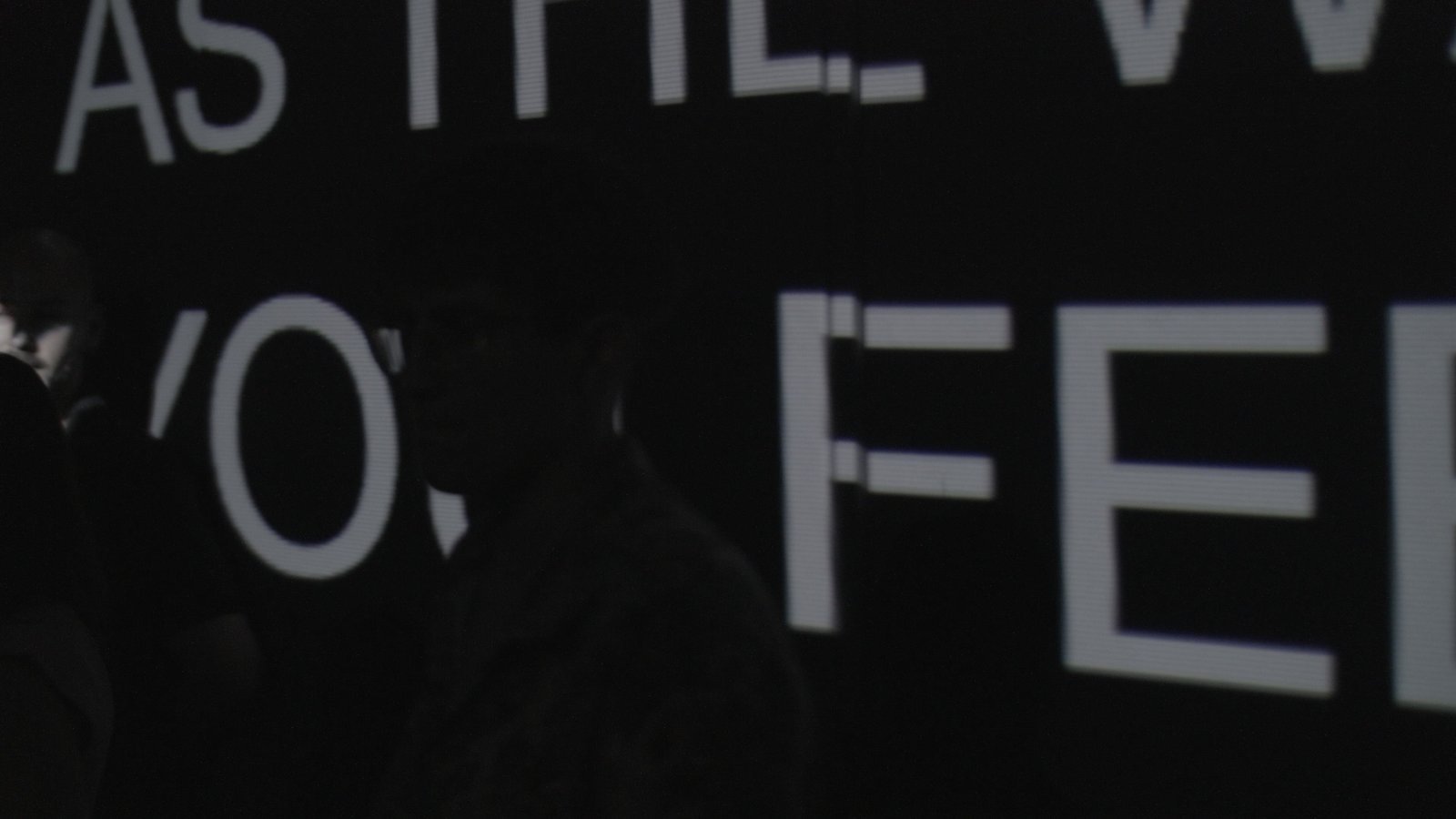
You are not allowed to dance. Why don’t you dance? Why do you dance? Why do you dance like that?
What happens when the dancefloor is reimagined through the lived experiences of disabled people?
Created by disabled artist Lykourgos Porfyris within the framework of the P.A.I.R. project, DANCEFLOORS:DISABLED is a multisensory installation that explores dance, music and club culture through sound, moving image, light and creative accessibility.
The work approaches the dancefloor not simply as a place for entertainment, but as a space where bodies meet questions of access, belonging, freedom and participation. Who gets to dance? How do we experience music and movement? What happens when the sensory codes of the club are opened up, translated and transformed?
From lived experience to artistic material
The work draws on lived experiences of dance, music and club culture. Lykourgos Porfyris explored these experiences through interviews with disabled people, focusing on three questions:
What does dance mean to you? How do you experience contemporary dancefloors? How do you imagine their future forms?
These conversations became the raw artistic material of the work.
The voices of the interviewees were transformed into three original sound compositions drawing from techno and electronic music cultures. Testimony became rhythm. Speech became sonic texture. Personal experience shaped the musical structure, moving between driving beats and atmospheric soundscapes.
The sound does not illustrate the stories. It emerges from within them.
The process was shaped in collaboration with the Collaborative Working Group, bringing together disabled artists and accessibility specialists whose experiences and perspectives actively informed the development of the installation. From the formulation of the interview questions to the design and testing of its sensory elements, the work evolved through dialogue, experimentation and collective reflection.
One of the central questions throughout the process was simple, but far-reaching:
How can accessibility become part of the artistic language of the work itself?
Accessibility as artistic language
In DANCEFLOORS:DISABLED, accessibility is an integral part of the artistic experience.
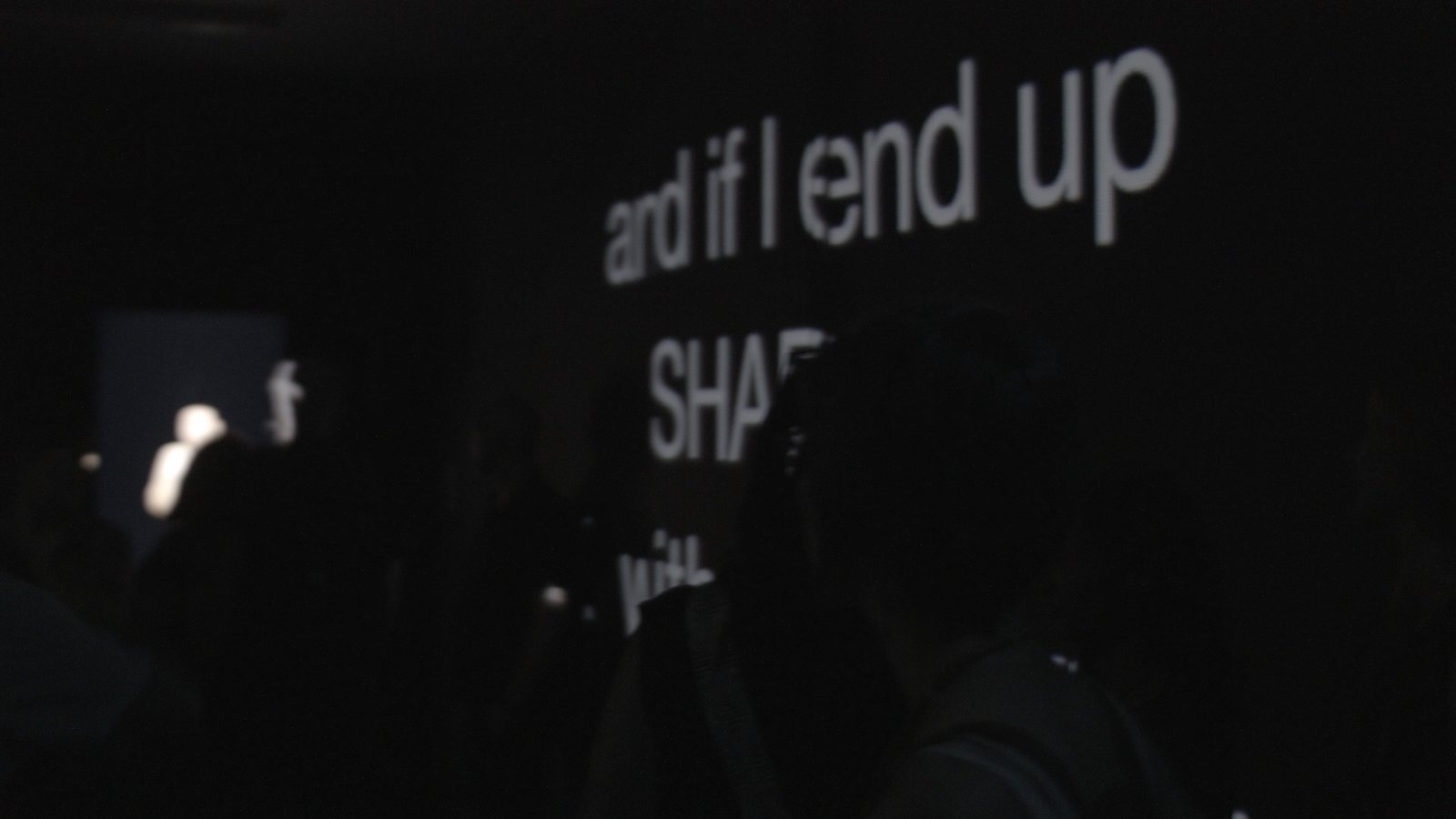
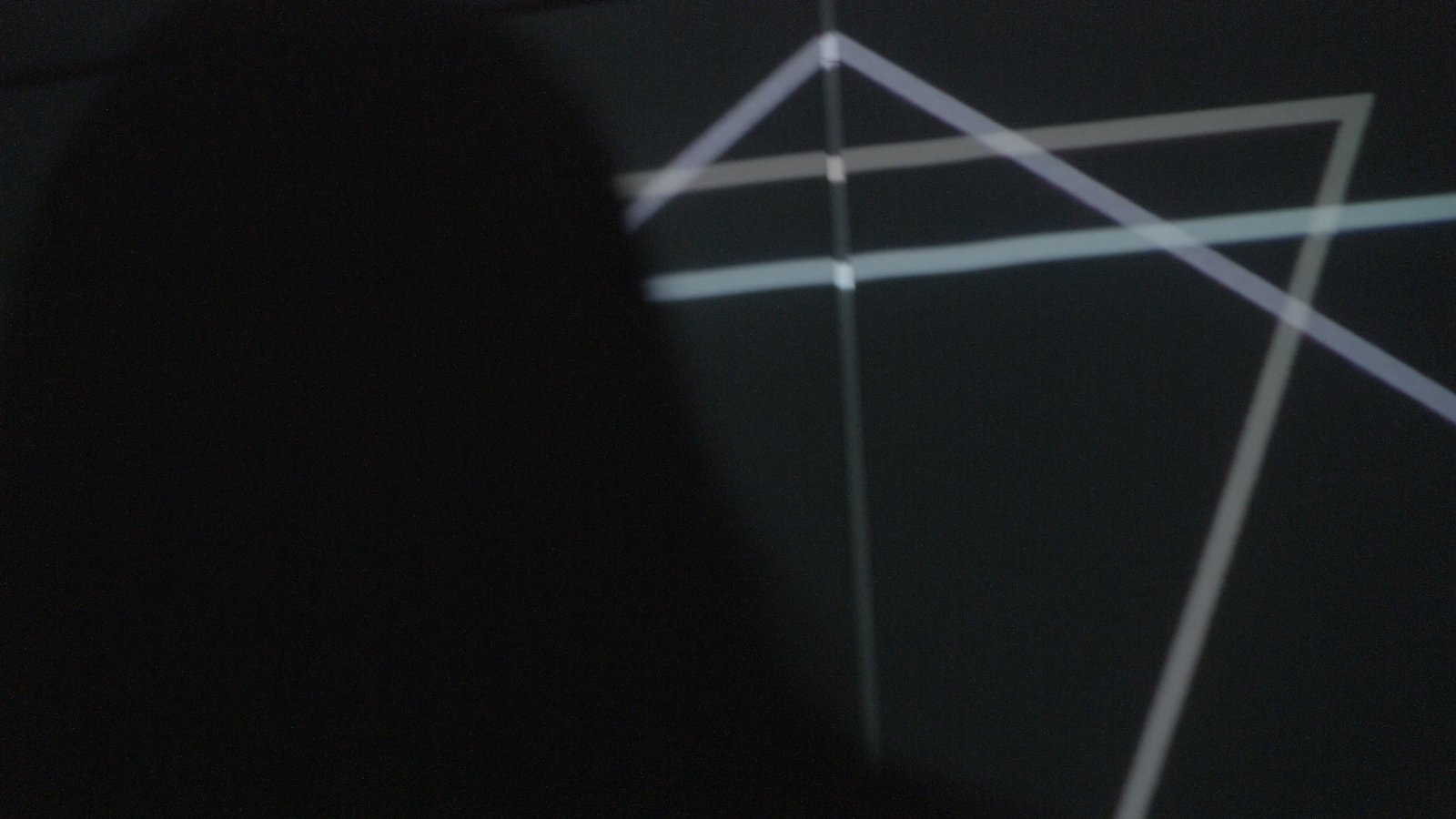
The installation unfolds through multiple sensory layers operating simultaneously. Large-format moving subtitles become an expressive visual field. Greek Sign Language and International Sign are integrated into the moving image composition. Abstract symbols translate different qualities of sound into geometric forms, creating a visual vocabulary through which rhythm and bass and sonic variation can be perceived in new ways.
The subtitles were developed as a dynamic visual layer, responding to rhythm, emphasis and atmosphere. Sign language was approached as part of the visual composition, with framing, movement, costume and editing developed in dialogue with the artistic language of the installation.
The work also experimented with creative audio description. Instead of functioning solely as an explanatory service, the audio introduction combined practical orientation with atmosphere and sound design, inviting blind and low-vision visitors into the world of the installation before entering it.
The visual language for sound was developed through experimentation, feedback and testing with Deaf and hard-of-hearing participants. Geometric forms came to represent different sonic qualities, giving deep basslines, metallic sounds, sparkling frequencies and piercing percussion their own visual presence.
Accessibility became a form of translation, but also a form of invention.
Entering the dancefloor
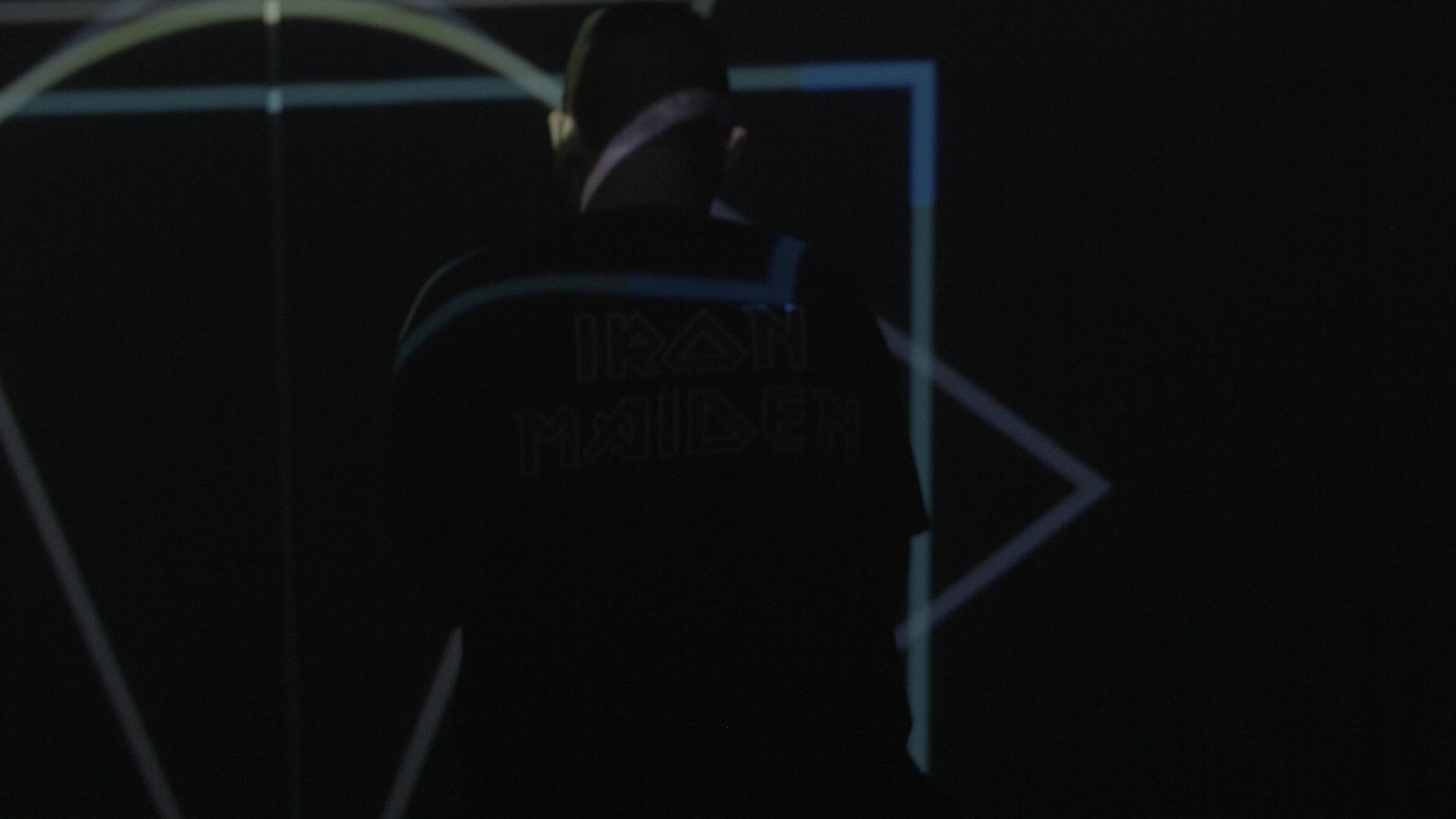
Visitors enter the installation much like entering a club.
There is no prescribed route. You can dance, stand still, or follow the subtitles. You can also focus on sign language or the visual representation of sound, or choose to move between these sensory layers.
The installation brings together:
- immersive sound compositions
- dynamic subtitles
- Greek Sign Language and International Sign
- abstract visual representations of sound
- creative audio description
- accessible printed and audio materials
Audience feedback repeatedly returned to ideas of freedom, safety, belonging and shared experience. Visitors described discovering new ways of perceiving rhythm and becoming more aware of how music, movement and cultural spaces can be experienced differently.
Many Deaf and visually impaired visitors expressed a wish that elements of the installation could exist beyond the exhibition itself.
We wish every club was like this.
A space for experimentation
DANCEFLOORS:DISABLED is not only an artistic outcome. It also became a practical exploration of the Creative Accessibility Methodology developed through the P.A.I.R. project.
Throughout the process, artistic and accessibility decisions evolved together. Nothing was treated as fixed from the beginning. Subtitles were revised. Projection systems were reconsidered. Visual symbols were tested and refined. Lighting, colour and sign language presentation were adjusted in response to feedback.
The artwork became one of the places where the methodology itself was developed.
By bringing lived experience, artistic experimentation and accessibility practice into continuous dialogue, DANCEFLOORS:DISABLED explored what might happen when inclusion is not treated as an addition to culture, but as one of the forces that shapes it.
And perhaps this is also a question for every dancefloor:
What would change if every body, every way of moving and every way of experiencing music belonged there equally?
Credits
- Artist (concept, realisation): Lykourgos Porfyris
- Collaborative Working Group Members: Nikos Voyiatzis, Eva Gkritzali, Thomas Diafas, Andreas Plemmenos, Maria Thrasyvoulidi
- Audio excerpts feature interviews with: Sabina Ahmed, Iva Srot & Vangelis Mistiloglou
- Voiceover: Maria Thrasyvoulidi, Melissa Kotsaki & Lykourgos Porfyris
- Project Coordination: Marilena Koukouli & Christos Papamichael
- Project Manager: Polina Manolia
- Communication: Olympia Antonena
- Production: liminal
- Performance in Greek Sign Language and International Sign: Nafsika Koskori, Andreas Plemmenos, Chara Riga
- Sign Language Direction: Andreas Plemmenos
- Interpretation: Androniki Xanthopoulou
- Audio Description: Lykourgos Porfyris
- Audio Description Direction & Quality Control: Maria Thrasyvoulidi, Eva Gkritzali
- Translation & Subtitling: Lykourgos Porfyris, Grigoris Stathopoulos
- Studio: AUX
Lykourgos Porfyris
Lykourgos is a visual artist and disability/queer activist from Athens, Greece (b. 1988, Athens). He currently lives and works between Oslo and Athens. He holds a BA from the Athens School of Fine Arts and an MFA from Kunstakademiet at KHiO. His work has been exhibited at the 6th Athens Biennale, Akershus Kunstsenter in Lillestrøm, Norway, Arnolfini Gallery in Bristol, UK, the Freud Museum in London, Fylkingen in Stockholm, Sweden, and the Norwegian National Gallery.
His artistic practice engages with the production of new mythologies and legends that replace conservative narratives that have become obsolete. His work reinterprets mainstream stories, often centered on heroic victory, transforming them into alternative fictions that foreground failure and give space to those positioned as “losers.”
In his recent work, he moves away from the sighted paradigm of “seeing” art, developing instead a more inclusive approach to worldbuilding that invites blind and low-vision audiences without excluding others. His soundscapes construct environments and spatial experiences, while text operates as a means of visualizing sound. His theoretical framework draws from queer and disability studies, engaging with thinkers such as Jack Halberstam, Margrit Shildrick, Rod Michalko, and Rosemarie Garland-Thomson.